When we work with clients in Oakville, Ontario, we’re seeing more interest in creating purposeful, design-forward spaces within the home. A well-planned library is one of the most rewarding additions, offering both comfort and quiet sophistication. Understanding how to build a home library means thinking beyond shelving and considering how the space integrates with your property’s architecture and overall lifestyle. In Oakville’s high-end property market, a thoughtfully designed library can enhance daily living while elevating the home’s overall appeal.
Key Takeaways
-
Knowing how to build a home library starts with location, layout, and architectural integration
-
Custom millwork and built-in cabinetry elevate both design and functionality
-
A well-designed library enhances lifestyle and overall property appeal
-
Oakville, Ontario homes benefit from refined, cohesive interior design choices
Choose the Right Location Within the Home
Where a Library Works Best
-
A quiet room removed from high-traffic areas
-
A dedicated study, den, or formal sitting room
-
Spaces with strong natural light exposure
-
Areas with sufficient wall space for built-in shelving
When considering how to build a home library, selecting the right location is essential. In Oakville, Ontario, many detached homes offer flexible rooms that can be repurposed into a library. Choosing a space that feels naturally quiet and separate helps establish the room as a true retreat within the property.
Invest in Custom Millwork and Built-In Shelving
Why Bespoke Design Matters
-
Maximizes storage while maintaining a seamless appearance
-
Enhances the architectural character of the room
-
Allows for tailored shelving heights and configurations
-
Creates a polished, high-end finish consistent with Oakville homes
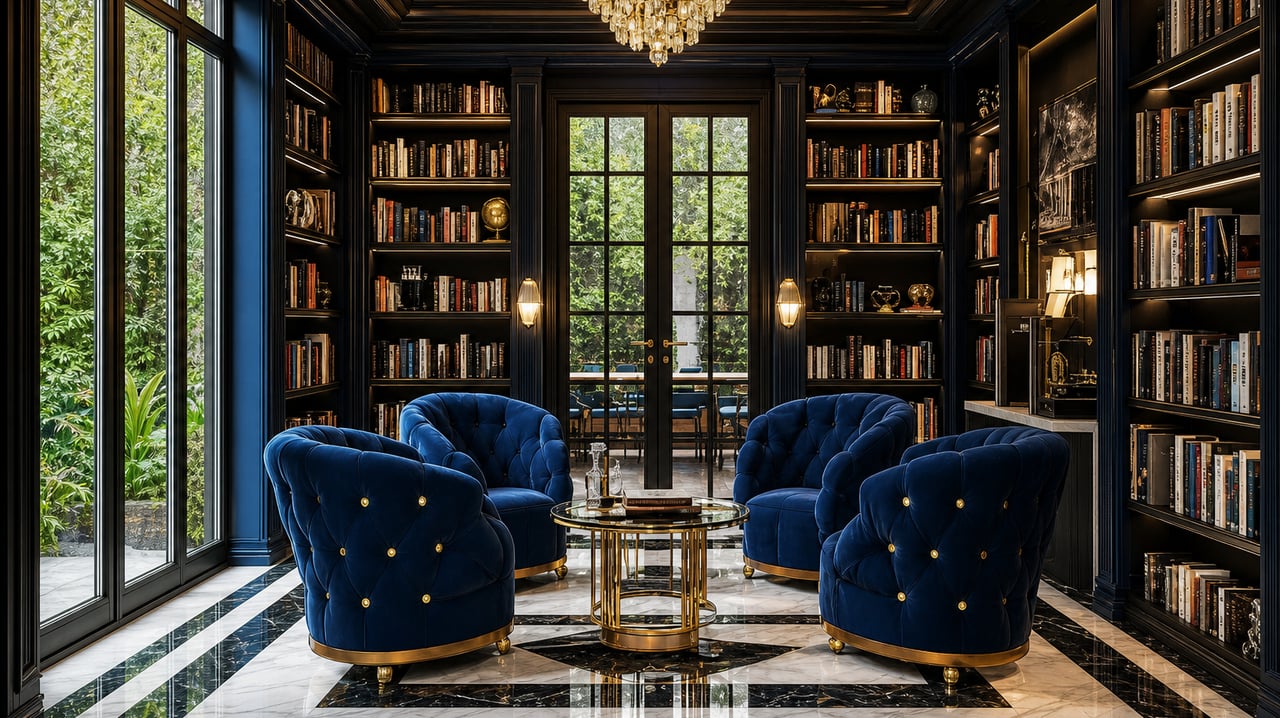
Custom millwork is a defining feature when learning how to build a home library. In many Oakville properties, especially in newer custom builds, built-in cabinetry is expected as part of a refined interior. This approach ensures the library feels integrated rather than added on.
Prioritize Comfortable, Functional Seating
Designing for Everyday Use
-
Include a well-proportioned armchair or reading chaise
-
Layer textiles such as cushions and throws for added comfort
-
Position seating near natural light where possible
-
Add a side table or surface for convenience
A home library should be used regularly, not just admired. We always recommend incorporating seating that encourages daily use, particularly in Oakville, Ontario homes where lifestyle-focused design is a priority.
Layer Lighting for Year-Round Use
Lighting That Supports the Space
-
Combine overhead lighting with task and accent lighting
-
Use adjustable reading lamps near seating areas
-
Incorporate dimmers for flexibility
-
Select warm lighting tones for a comfortable atmosphere
Lighting is a critical part of how to build a home library, especially in a Canadian climate where daylight varies significantly throughout the year. A layered lighting approach ensures the space remains functional and inviting in every season.
Incorporate Natural Materials and Finishes
Creating Warmth and Cohesion
-
Use wood finishes for shelving and cabinetry
-
Incorporate materials like wool, linen, or leather
-
Add subtle stone or metal accents
-
Maintain a neutral, cohesive palette
In Oakville, Ontario, high-end homes often feature natural materials that create a timeless aesthetic. Carrying these elements into your library ensures consistency throughout the property.
Design a Layout That Supports Flow
Making the Space Practical
-
Keep walkways clear and easy to navigate
-
Organize books by category or frequency of use
-
Balance shelving with open space
-
Ensure accessibility for everyday use
Understanding how to build a home library also means designing for function. A well-organized layout makes the space feel intuitive and easy to enjoy.
Add Architectural and Personal Detail
Elevating the Design
-
Incorporate trim, moulding, or panelled walls
-
Display a curated selection of books and objects
-
Add artwork that complements the overall design
-
Consider a rolling ladder or feature element
In Oakville’s luxury property market, attention to detail sets a space apart. Thoughtful architectural elements help the library feel like a natural extension of the home rather than a standalone room.
Plan for Long-Term Flexibility
Designing for the Future
-
Choose durable materials that age well
-
Allow space for a growing book collection
-
Ensure the room can adapt to different uses
-
Maintain a balance between style and practicality
When we guide clients on how to build a home library, we always consider long-term usability. A flexible design ensures the space continues to serve your needs while enhancing overall property appeal.
FAQs
What is the first step in how to build a home library?
We recommend starting with location and layout. Choosing the right space ensures the library feels integrated and functional from the beginning.
Do we need a large room to create a home library?
Not necessarily. Smaller rooms can work well with custom shelving and efficient design, especially in Oakville, Ontario homes with flexible layouts.
Does a home library add value to a property in Oakville, Ontario?
While it depends on the property, a well-designed library can enhance overall appeal and contribute positively to how a home is perceived in the market.
Contact The Invidiata Team Today
We’re here to help you create a home in Oakville, Ontario that reflects both your lifestyle and long-term vision. At The Invidiata Team, we understand how thoughtful design elements, such as a well-executed home library, contribute to the overall appeal and functionality of a property. Whether you’re refining your current space or searching for a home with the right features, we provide guidance tailored to Oakville’s high-end property market.
Reach out to us at The Invidiata Team, and we’ll help you bring together design, architecture, and opportunity in Oakville, Ontario.