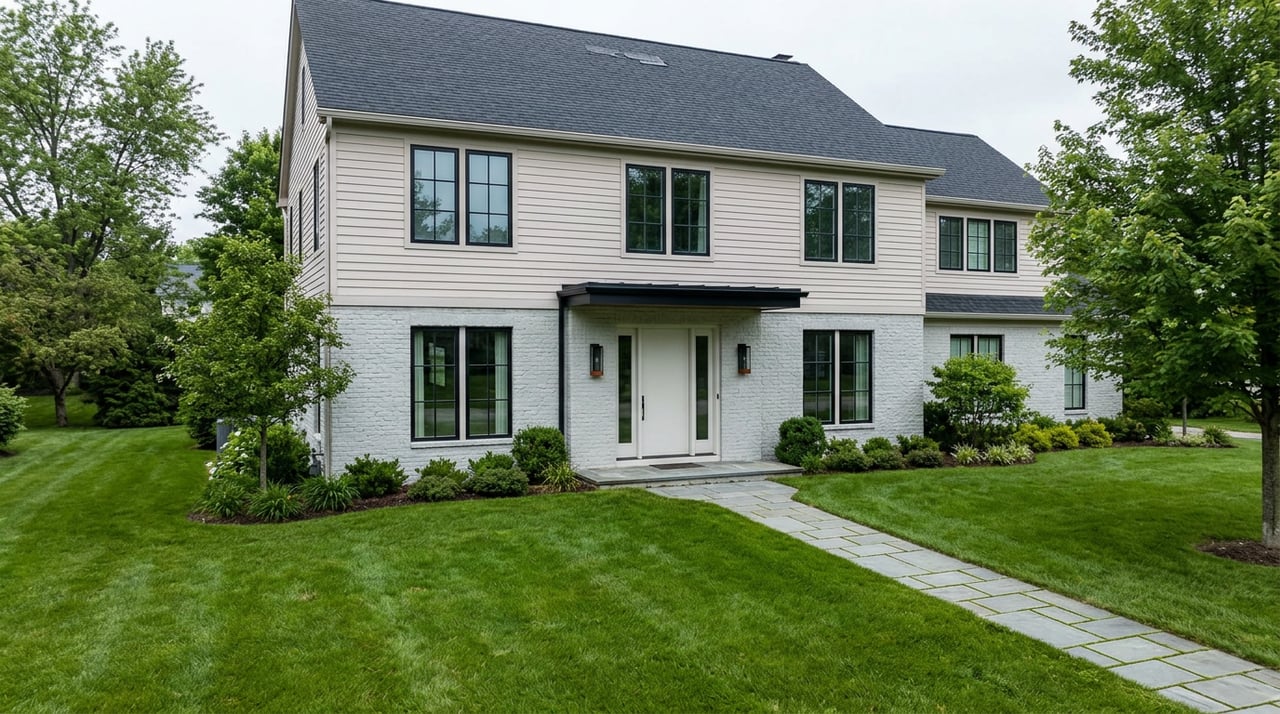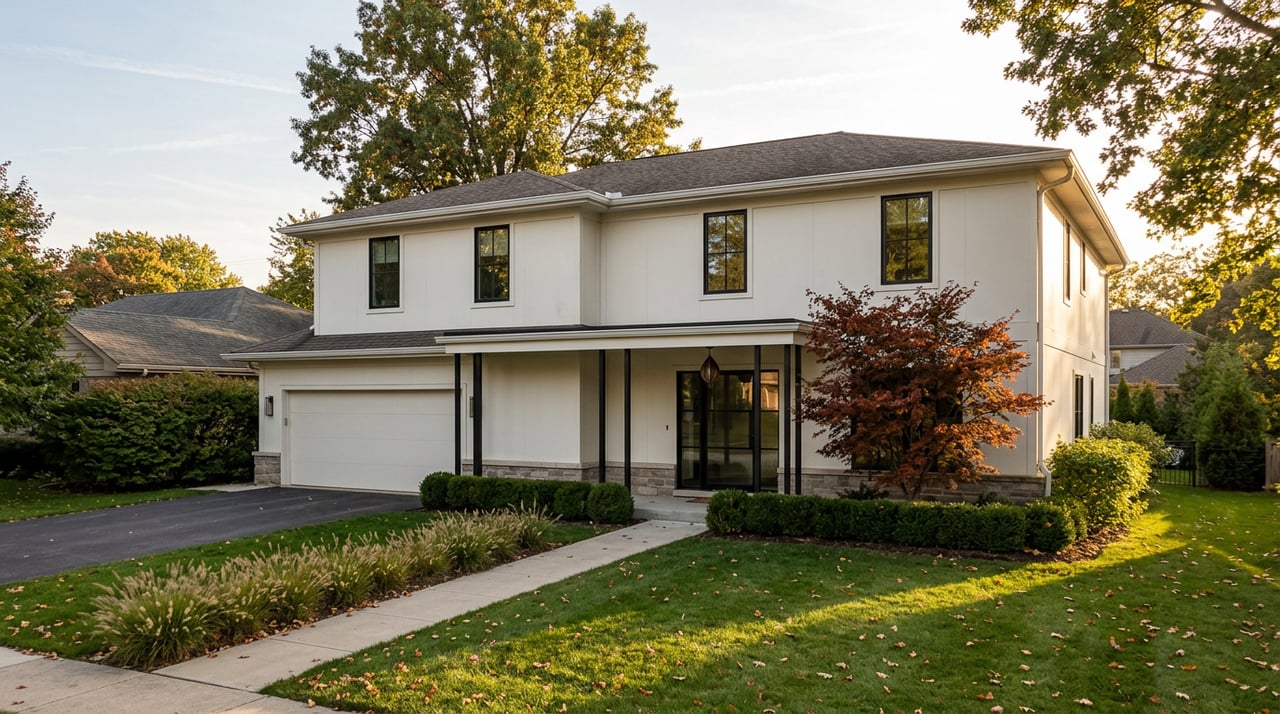
As the fall real estate market approaches, changing inventory, mortgage rates and buyer confidence are creating a new set of opportunities across Oakville, Burlington, Mississauga and Toronto.
After a quieter start to the year, the GTA real estate market is showing signs of change as we look toward fall.
September has traditionally brought renewed activity to the Toronto real estate market and surrounding communities. Buyers return from summer holidays, families settle back into routines and sellers who have been preparing their homes begin to list.
But the Fall 2026 real estate market may be less about a sudden surge in activity and more about a gradual shift in confidence.
GTA Housing Market Conditions Are Tightening
July provided an interesting indication of where the market may be headed.
The Toronto Regional Real Estate Board reported 5,995 GTA home sales in July 2026, down just 0.9 per cent compared with the same period last year. New listings, however, declined 17.8 per cent year-over-year to 14,484.
With fewer new properties entering the market, conditions tightened through the summer. On a seasonally adjusted basis, sales increased from June while new listings declined.
The average GTA home price in July was $1,003,956, down 4.5 per cent from July 2025. The MLS® Home Price Index benchmark was similarly down 4.6 per cent year-over-year but edged higher compared with June.
For buyers and sellers, this is an important distinction. Prices remain below last year's levels, but declining inventory may begin to reduce some of the negotiating power buyers experienced earlier in 2026.
Mortgage Rates Remain Part of the Conversation
For anyone considering buying a home in the GTA, mortgage rates continue to play an important role.
The Bank of Canada interest rate currently sits at 2.25 per cent, where it has remained since October 2025. That period of stability has made borrowing costs more predictable for Canadian homebuyers.
As of late August, advertised mortgage rates in Ontario for qualified high-ratio borrowers start at approximately 4.09 per cent for a five-year fixed mortgage and 3.35 per cent for a five-year variable mortgage. Individual rates vary considerably depending on the borrower, property, down payment and mortgage structure.
Whether rates move lower in the months ahead remains uncertain. What matters for many buyers is that the financing environment has become more stable.
And stability can encourage people who have been watching the market from the sidelines to begin looking again.
What Does the Fall Market Mean for Sellers?
For homeowners considering selling a home in Oakville, Burlington, Mississauga or Toronto, fall could create an interesting window.
Less inventory can work in a seller's favour—but only when the property is positioned correctly.
Today's buyers are informed. They compare recent sales, neighbourhood inventory and days on market before making an offer. Pricing a property based on what a neighbour achieved two or three years ago rather than today's market can quickly work against a seller.
Presentation, marketing and accurate pricing remain critical.
For distinctive and luxury homes in the GTA, that strategy becomes even more important. These properties often have a smaller buyer pool, making targeted exposure and an understanding of comparable properties essential.
What Does the Fall Market Mean for Buyers?
Buyers may still find opportunities this fall, particularly among homes that have been on the market for an extended period or sellers who are motivated to make a move before the end of the year.
However, declining inventory means buyers should also be prepared when the right property appears.
Waiting indefinitely for both home prices and mortgage rates to reach their lowest possible point can carry its own risk. If borrowing conditions improve enough to bring a larger group of buyers back into the market, increased competition could offset some of the benefit of a lower mortgage rate.
The better question is not always “Is this the bottom?”
It is “Does this property make sense for me at today's price and today's financing?”
Real Estate Is Local
Perhaps the most important thing to remember when reading any GTA housing market forecast is that GTA averages only tell part of the story.
The Oakville real estate market can behave differently from the Burlington real estate market. Waterfront homes in Mississauga do not necessarily follow the same trends as downtown Toronto condominiums. Even neighbouring pockets within Oakville can experience different inventory levels, buyer demand and price movement.
This is why local market knowledge matters so much in a changing real estate environment.
Looking to Fall
We don't expect Fall 2026 to be defined by a return to bidding wars or runaway price growth—and that may be a good thing.
Instead, we are entering a market where buyers and sellers have more time to make informed decisions, mortgage costs are more predictable and changing inventory levels may begin to bring the market closer to balance.
For anyone thinking about buying or selling a home in Oakville, Burlington, Mississauga or the Greater Toronto Area, this fall may be less about perfectly timing the market and more about being properly positioned within it.
Because when the right opportunity appears, preparation matters.
The Invidiata Team | GTA Real Estate